
The koto is the Japanese long zither, with thirteen silk strings stretched over a body of paulownia wood about 180 centimetres long and a movable bridge under each string. It was introduced from China during the Nara period, in the seventh and eighth centuries, together with the court music known as gagaku, and it developed its own solo and ensemble repertoire in Japan. The great blind composer Yatsuhashi Kengyo, in the seventeenth century, set the foundations of the modern koto tradition.
How it is played
The player kneels at the side of the instrument and plucks the strings with ivory picks, called tsume, worn on three fingers of the right hand. The movable bridges are set for the key of the piece before the performance, and the left hand presses the string behind a bridge to raise the pitch by a half or whole step. Players also sweep across the strings, strike them with the pick and slide to produce a wide range of tone colours. The koto is played solo, with voice and as part of the trio known as sankyoku with shamisen and shakuhachi.
Heritage note
In the Edo period the koto was the instrument of the blind musicians' guilds and a mark of cultivation among women of the upper classes. In the twentieth century Miyagi Michio, whose Haru no Umi (Sea of Spring, 1929) is among the best-known Japanese pieces, joined the traditional koto with Western music and added the seventeen-string bass koto. Today it is heard at New Year celebrations, weddings and concerts, and is studied by amateur players of all ages.
Origins
Introduced from China in the 7th and 8th centuries and developed in Japan into a distinct tradition, with its modern solo repertoire established in the 1600s.
Available in Arcforge
Try a 90-second preview in your browser Google Play App Store
Sources
Related entries
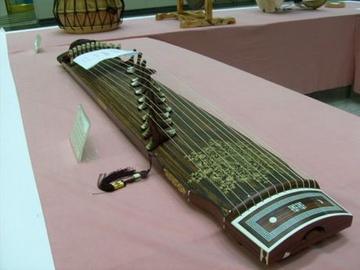
Gayageum
South Korea · Musical instruments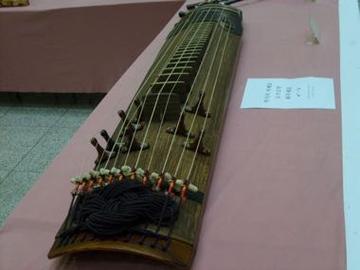
Geomungo
South Korea · Musical instruments

String Marionette Theatre
Czechia · Performance and storytellingPlay preview · in the Story & Theatre of the World app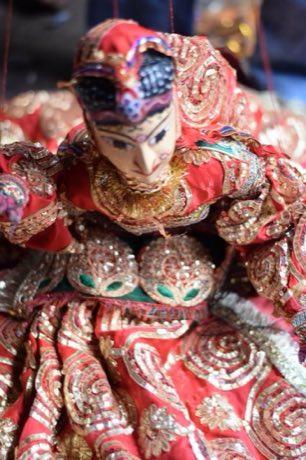
Kathputli string puppets
India · Performance and storytellingPlay preview · in the Story & Theatre of the World app
Valiha tube zither
Madagascar · Musical instruments
More from Japan
Blacksmith's Forge
United Kingdom +4 · Crafts and making
Dougong Bracket Stacking
China +2 · Puzzles and mind games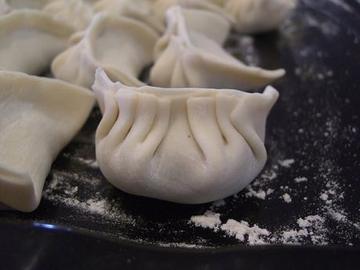
Dumpling Pleating
China +2 · Crafts and making