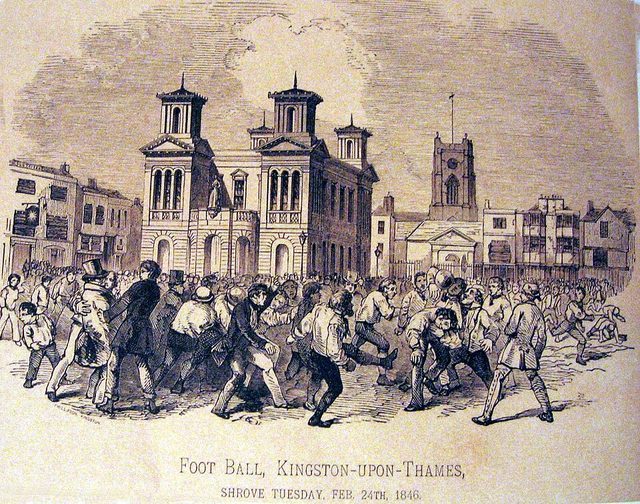

Rugby football takes its name from Rugby School in Warwickshire, where a version of the football game with handling and running had taken hold by the 1820s; the old story that William Webb Ellis invented it by picking up the ball in 1823 first appeared decades later and is not supported by contemporary evidence. The Rugby Football Union was founded in London in 1871, and the sport soon spread through the British Empire to become a national passion in New Zealand and South Africa. The conversion kick, which gives two extra points after a try, is one of the sport's most watched moments of pure skill.
How it is played
After a try is scored, the scoring side may attempt a conversion kick from any point in line with where the ball was grounded, at any distance back from the try line. The ball is placed upright on a tee, and the kicker has a limited amount of time to take the attempt while the opposing team waits behind the try line. The ball must pass over the crossbar and between the two upright posts to count, and the kicker reads wind, distance and angle before a short, rehearsed run-up. A successful conversion is worth two points, and a try itself is worth five.
Heritage note
Rugby union is played in more than a hundred countries and carries a strong sense of tradition: the ball itself is still named after the school town, and kickers such as those of the All Blacks and the Springboks are celebrated as national figures. In New Zealand and South Africa the sport is closely tied to community identity, school and club life, and to long-standing rivalries between the two nations. A separate code, rugby league, split away in northern England in 1895. A conversion attempt is known for its silence, as a stadium of tens of thousands falls quiet while the kicker makes a deliberate routine.
Origins
Developed at Rugby School in Warwickshire, England, in the early 1800s from older village football games that allowed handling the ball, and formalised in London in 1871.
Available in Arcforge
Try a 90-second preview in your browser Google Play App Store
Sources
Related entries
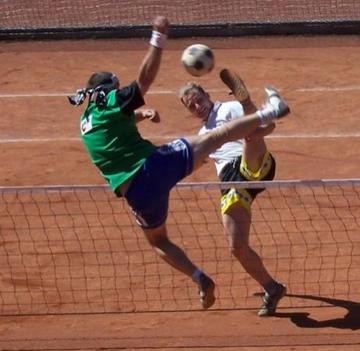
Nohejbal
Czechia · Team ball sports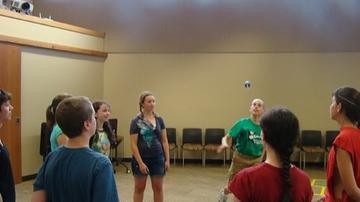
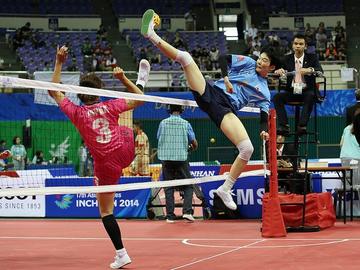
More from United Kingdom
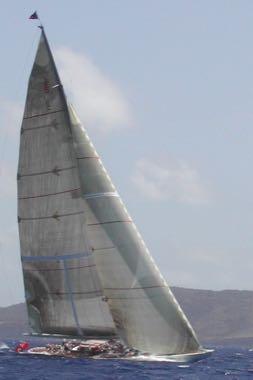
Antigua Classic Yacht Race
Antigua and Barbuda +1 · Racing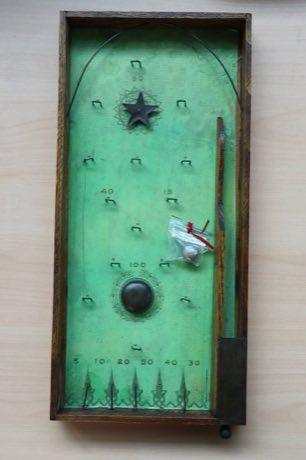
Bagatelle
France +1 · Dexterity and skill games
Bat and Trap
United Kingdom · Dexterity and skill games
Blacksmith's Forge
United Kingdom +4 · Crafts and making
Bridge Stick Race
United Kingdom · Toys