
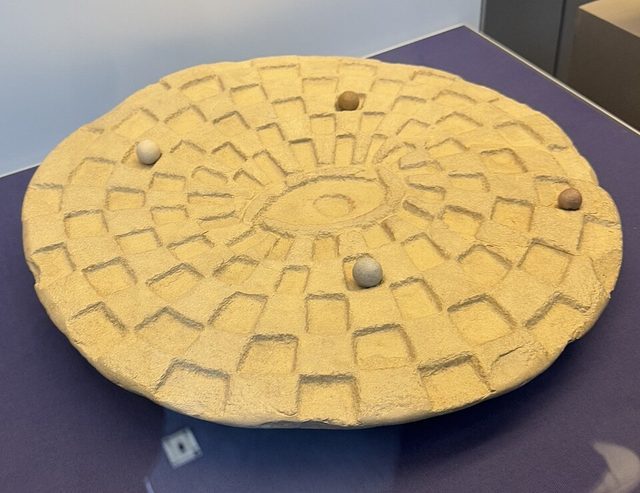

Mehen is an ancient Egyptian board game played on a circular board carved as a coiled snake, with the head at the centre and the body divided into spaces. It takes its name from the serpent of Egyptian myth that coiled around the sun's journey to protect it. The game was popular in the early dynasties and the Old Kingdom, from about 3000 to 2300 BCE, and then disappeared from the record, and it has been found in tombs in Egypt as well as at sites in the Levant.
How it is played
Players race pieces shaped as lions and lionesses, with marbles also used in play, from the tail of the snake to the head at the centre. Moves were probably decided by throwing sticks or dice, though the exact method is not known, and pieces move along the segments of the coiled body toward the centre. Reconstructions, based on tomb scenes and the finds of boards, pieces and marbles, use captures that send a rival back to the start. The first to bring home all pieces wins.
Heritage note
Stone mehen boards have been found in cemeteries, and several tomb paintings at Saqqara show people playing the game, usually seated on the ground with the board between them. The game appears in Egyptian funerary texts alongside the senet game, which suggests it carried meaning beyond play. It is one of the oldest board games known and also one of the most puzzling, because the original rules were never written down, and different modern researchers have proposed different reconstructions based on the evidence.
Origins
Attested in Egypt from the Predynastic and Early Dynastic periods, through the Old Kingdom; boards and pieces have also been found in the Levant.
Available in Arcforge
Try a 90-second preview in your browser Google Play App Store
Sources
Related entries
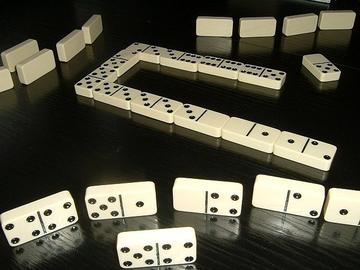
Cafe dominoes
Egypt · Board and table games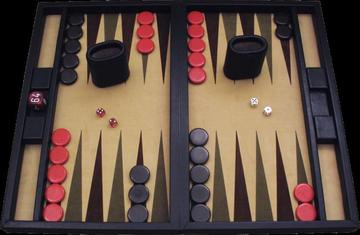
More from Egypt
Aragoz Hand-Puppet Booth
Egypt · Performance and storytellingPlay preview · in the Story & Theatre of the World app
Egyptian Fractions and Doubling
Egypt · Puzzles and mind games
Khayamiya Tentmaker Applique
Egypt · Crafts and making
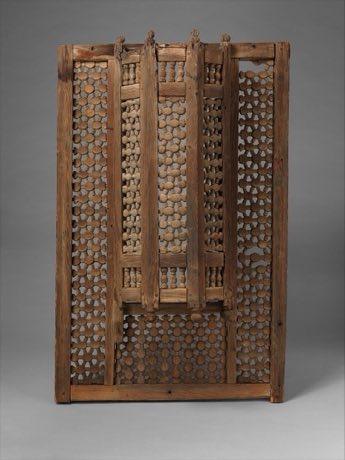
Mashrabiya Lattice Joinery
Egypt +1 · Crafts and makingPlay preview · in the Paper & Paint of the World app
Nile Felucca Sailing
Egypt · Racing